
Woods · Ingredient
Patchouli
WoodsNatural
What does patchouli smell like?
Earthy, woody, and slightly sweet with damp, mossy undertones. Aged patchouli develops a smoother, more refined character.
About Patchouli
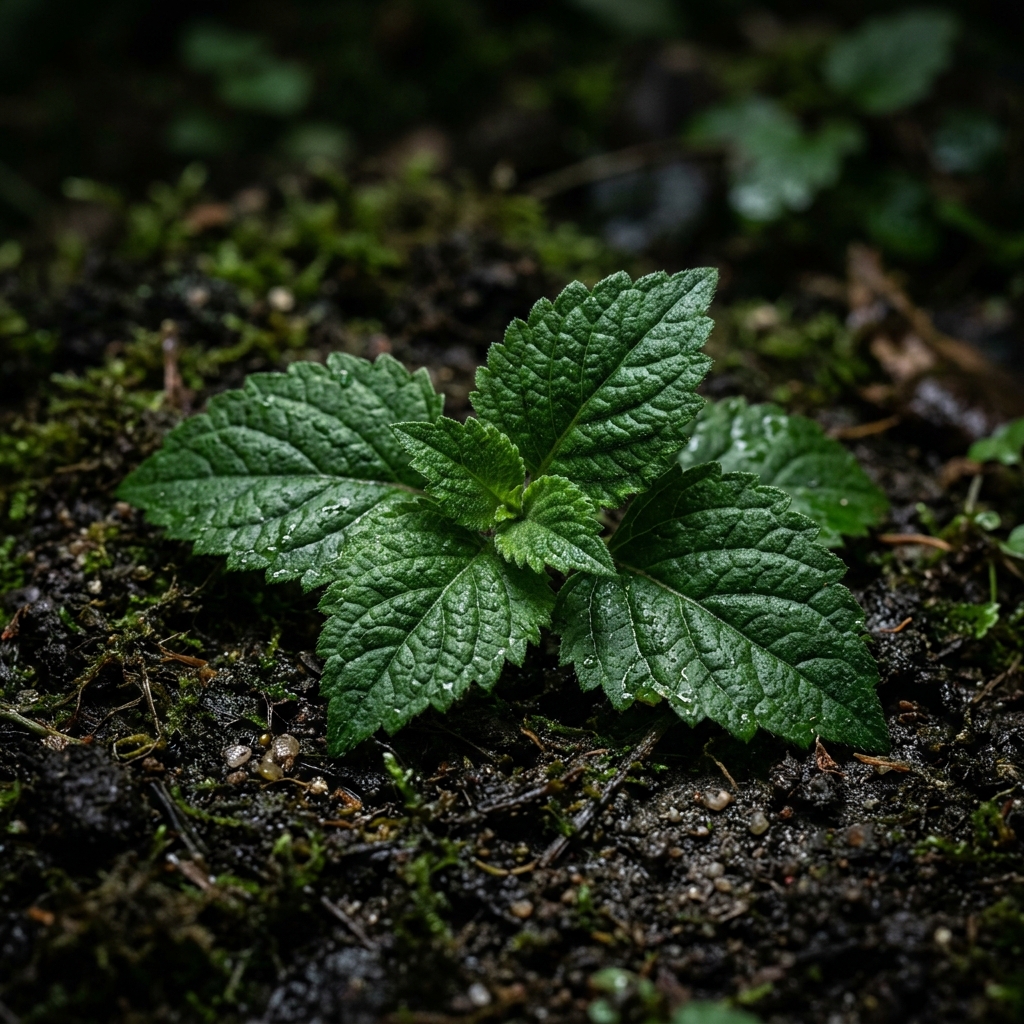
Patchouli is one of those notes that people either love or associate with the 1960s counterculture. The oil comes from the dried leaves of the Pogostemon cablin plant, which is native to Southeast Asia. What makes patchouli special in perfumery is its incredible versatility. It can be earthy and damp, sweet and chocolatey, or dry and woody depending on how the oil is processed and aged. High-quality aged patchouli is genuinely stunning, with a richness that rivals fine wine.
Origin and Extraction
Origin
Indonesia (world's largest producer), India, Philippines
Extraction Method
Steam distillation of dried and fermented leaves. The oil improves with age, similar to fine wine.
Common Pairings
Patchouli works especially well alongside these ingredients:
Interesting Facts
- Patchouli oil actually improves with age. Some perfumers work with oils that are decades old.
- Indonesia produces over 90% of the world's patchouli oil.
- In the 19th century, patchouli leaves were placed in Indian fabric exports to repel moths, and Europeans came to associate the scent with luxury textiles.
Frequently Asked Questions
What does Patchouli smell like?+
Earthy, woody, and slightly sweet with damp, mossy undertones. Aged patchouli develops a smoother, more refined character.
Is Patchouli natural or synthetic?+
Patchouli used in modern perfumery is natural. Patchouli is one of those notes that people either love or associate with the 1960s counterculture.
What fragrances have Patchouli?+
Many luxury fragrances use Patchouli to add woods characteristics.
Try before you commit to the bottle
Not sure yet? Our 10ml gives you 150+ sprays to decide. Starting from under $7.
References
- Arctander, Steffen. "Perfume and Flavor Materials of Natural Origin." 1969.
Last updated: 2026-04-12