Woods · Ingredient
Sandalwood
WoodsBoth
What does sandalwood smell like?
Creamy, warm, and milky with a soft, woody sweetness. One of the smoothest wood notes in perfumery.
About Sandalwood
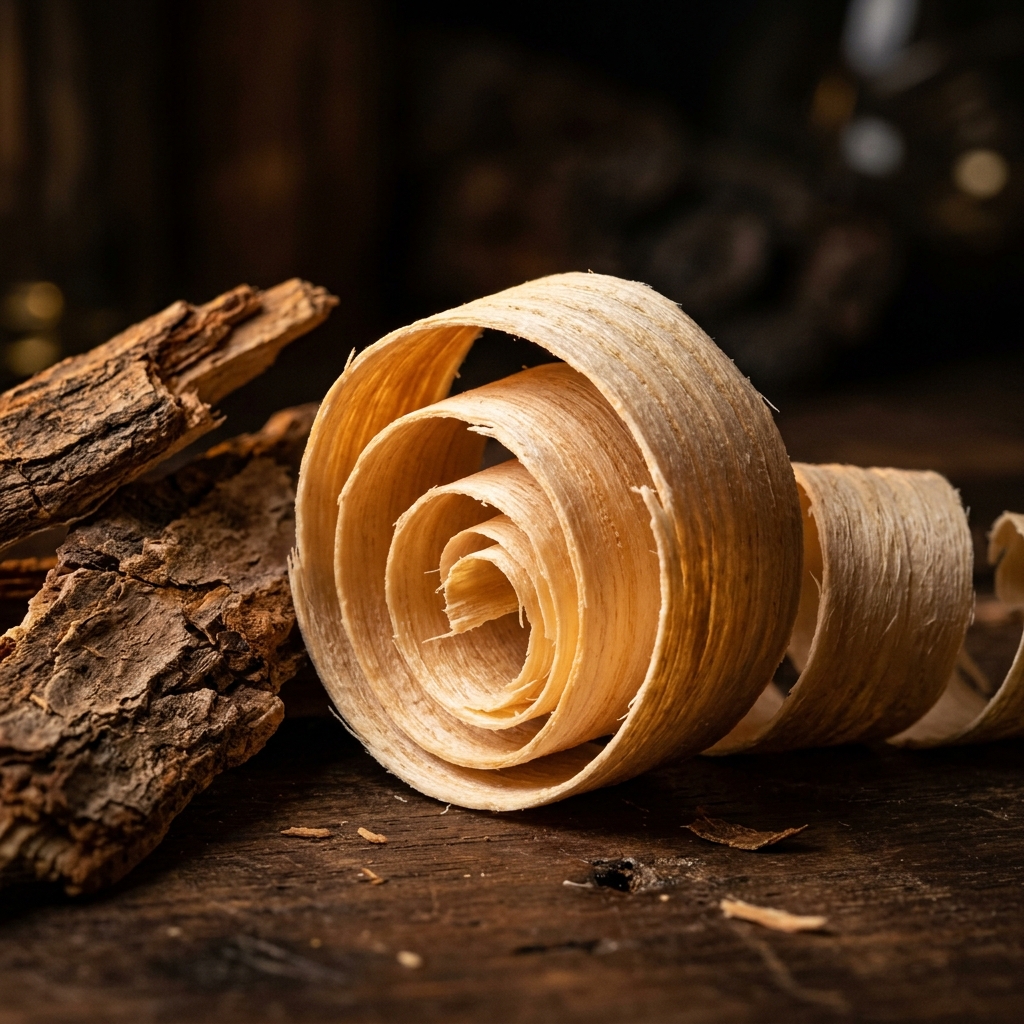
Sandalwood is one of the most prized woods in perfumery. Indian sandalwood (Santalum album) from Mysore was historically considered the finest, but overharvesting has made it extremely rare and expensive. Australian sandalwood (Santalum spicatum) and New Caledonian sandalwood are now more commonly used. The wood needs to mature for at least 30 years before it develops enough essential oil to be viable for extraction. It is creamy, smooth, and warm, adding a milky sweetness to fragrances that nothing else can replicate.
Origin and Extraction
Origin
India (Mysore), Australia, New Caledonia
Extraction Method
Steam distillation of the heartwood. Trees must be at least 30 years old.
Common Pairings
Sandalwood works especially well alongside these ingredients:
Interesting Facts
- Indian sandalwood trees must grow for 30+ years before the heartwood is rich enough for distillation.
- Mysore sandalwood oil can cost over $2,500 per kilogram.
- Sandalwood has been used in religious ceremonies across Asia for over 4,000 years.
Fragrances featuring Sandalwood
Frequently Asked Questions
What does Sandalwood smell like?+
Creamy, warm, and milky with a soft, woody sweetness. One of the smoothest wood notes in perfumery.
Is Sandalwood natural or synthetic?+
Sandalwood used in modern perfumery is both. Sandalwood is one of the most prized woods in perfumery.
What fragrances have Sandalwood?+
Sandalwood is a key ingredient in Cologne Satin Oud Extrait Sapphire Edition, among others.
Try before you commit to the bottle
Not sure yet? Our 10ml gives you 150+ sprays to decide. Starting from under $7.
References
- Burdock, G.A. "Sandalwood Oil." Food and Chemical Toxicology, 2006.
Last updated: 2026-04-15